
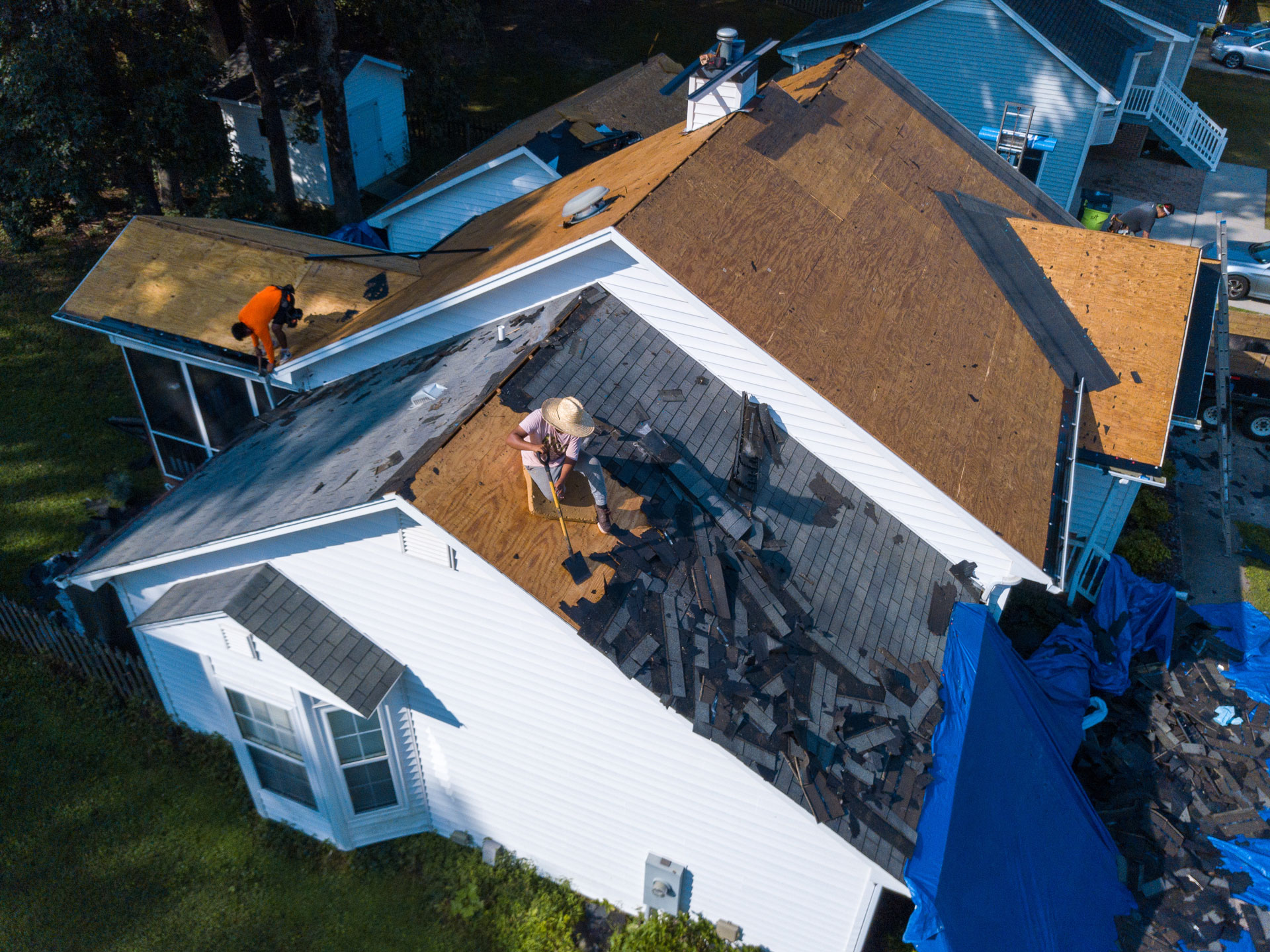
When a roof starts leaking, losing shingles, or showing its age, most homeowners hope a simple repair will be enough. Sometimes, it is. A few missing shingles, a small flashing issue, or a minor leak around a vent can often be fixed without replacing the entire roof.
At a certain point, though, trying to keep up with repairs just doesn’t make sense anymore. If you’re a homeowner looking into roof replacement Springfield MO services, the real question isn’t usually whether you can patch things up one more time. Instead, it’s worth asking if another repair is actually going to fix the problem, or if you’re just kicking the can down the road on a much bigger issue.
Roof Replacement Springfield MO: When Age Starts to Matter
Roof age is one of the biggest factors in deciding whether repair still makes sense. Asphalt shingle roofs, which are common across Missouri, often last around 20 to 30 years depending on the quality of the shingles, installation, attic ventilation, maintenance, and weather exposure.
Missouri weather can be tough on roofing materials. Heat, humidity, heavy rain, wind, hail, and sudden temperature swings all take a toll over time. Even a roof that looks decent from the ground may have shingles that are drying out, losing granules, curling at the edges, or becoming brittle.
If your roof is near the end of its expected lifespan, repairs may not hold as well as they would on a newer roof. A roofer might be able to replace a few damaged shingles, but the surrounding shingles may crack, lift, or fail soon after. Age doesn’t automatically mean replacement is required, but it should make you look more carefully at the bigger picture.
Frequent Repairs Are a Big Warning Sign
One repair is normal, but two or three repairs in a short period can be a sign the roof is wearing out as a system.
A roof is made up of layers that all work together: shingles, underlayment, flashing, decking, ventilation, drip edge, and more. When several parts begin failing around the same time, the issue might not be isolated damage, but overall deterioration.
Pay attention if you have had repeated leaks, multiple missing shingles after storms, recurring flashing problems, or repair bills that keep adding up. At some point, putting money into scattered fixes can become less cost-effective than planning for replacement.
Shingles Are Curling, Cracking, or Losing Granules
Shingles protect your roof by shedding water and resisting sun, wind, and impact. As they age, they begin to lose flexibility and surface protection.
Common signs of aging shingles include:
- Curling edges
- Cracked or split shingles
- Bald spots where granules are missing
- Dark streaks or uneven coloring
- Shingles that feel brittle or break easily
- Granules collecting in gutters or near downspouts
Those little granules actually matter a lot because they act like a shield, protecting your shingles from harsh UV rays and bad weather. Once that protective layer wears away, the shingles underneath get brittle, crack, and start letting water in.
If it’s just a small spot with some damage, a quick repair might do the trick. But if you’re seeing widespread granule loss or curling shingles all over the place, it’s usually a sign that your roof is simply reaching the end of its life and is past the point of simple patch jobs.
Leaks Keep Coming Back
Just because you spot a leak doesn’t automatically mean it’s time to replace your entire roof. Sometimes, a leak is just a localized issue caused by something like worn-out flashing, a cracked pipe boot, a missing shingle, or a bit of debris clogging up a valley.
However, repeated leaks tell a different story. If water keeps popping up in different spots, it’s a red flag that your roof isn’t doing its job anymore. Water can be a tricky business, too; it often travels along rafters or insulation before it actually drips onto your ceiling, so where you see the stain might not be exactly where the water is getting in.
The real danger with ongoing, recurring leaks is what happens behind the scenes. You might end up with soggy insulation, mold, ruined drywall, or even rot in the wood decking beneath the shingles. If you find yourself constantly chasing leaks with patch jobs, replacing the roof is often the smarter, more responsible move to protect your home for the long haul.
Ask yourself: Does it feel like your current roof has reached that “constantly chasing leaks” stage, or are you just trying to get a better handle on its overall health?
The Roof Decking Feels Soft or Damaged
Roof decking is just the wood surface hidden beneath your shingles. It acts like the skeleton of your roof, giving it structure and providing a solid base for the shingles to nail into.
When that wood gets soft, starts to sag, or rots out, you’re looking at a pretty serious problem—a clear sign that moisture has been sneaking past your shingles for a while. The good news is that if you catch it during a roof replacement, a crew can often just swap out the damaged sections. However, if the rot has spread, a much larger portion of the decking will need to go.
Decking problems can’t always be seen from the ground. Signs inside the home may include sagging ceiling areas, musty smells in the attic, water stains, or daylight showing through roof boards. Only a professional inspection can truly determine whether the damage is isolated or part of a larger roofing failure.
Storm Damage Keeps Exposing Weak Spots
Wind and hail aren’t always as dramatic as shingles scattered across the yard or water dripping through the ceiling. In many cases, wind and hail reveal problems that were already building in an older roof.
A roof with newer, well-sealed shingles may come through a storm with only minor damage. An aging roof is a different situation. Brittle shingles can crack more easily. Seal strips may no longer grip the way they should. Flashing that has shifted, loosened, or started to wear down can give water a path underneath the roofing system.
After a major storm, look for missing shingles, lifted shingles, dented vents, exposed nails, damaged flashing, granules in gutters, or new ceiling stains. Even when the roof looks mostly fine from the driveway, older materials can hide damage that needs a professional inspection.
Your Roof Looks Uneven or Worn in Several Areas
A roof doesn’t have to be actively leaking to be near the end of its life. Sometimes, the outside condition tells the story before water ever makes it into the house.
Faded shingles, uneven color, sagging areas, old patch jobs, mismatched sections, and wear across several parts of the roof can all point to a bigger issue. A few cosmetic imperfections may not be a major concern. Widespread aging is different. It can mean the roof is no longer protecting the home evenly from one section to the next.
Roofs also tend to wear down in different areas at different speeds. One side may take more direct sun. Another may stay damp longer because of shade, poor drainage, or nearby trees. When several slopes are showing age at the same time, a repair may only fix one visible problem while the rest of the roof continues to weaken.
Don’t Knock Out the Repair Option Entirely
A full-scale roof replacement isn’t always the clear next step. always the right answer. If your roof is still fairly young and the problem is contained to one area, a repair may be the more practical choice.
A good inspection should separate minor, isolated problems from signs of overall roof failure. Homeowners should be cautious of anyone who recommends replacement without explaining what is failing, why repairs may not hold, and what conditions were found on the roof.
Repair or Replace? Knowing When Your Roof Is Reaching the Finish Line
Roofs don’t just give out overnight—it’s more of a slow fade. The concern is whether repairs still offer reliable protection.
If your roof is nearing the end of its lifespan, leaking repeatedly, losing granules, curling, sagging, or showing storm damage across multiple areas, replacement may be the smarter option. A repair can fix a small problem. A roof that is aging as a whole needs a more complete solution.
For homeowners comparing repair and roof replacement Springfield MO options, don’t guess. Start with a straightforward inspection. Clear photos, an honest explanation, and a practical breakdown of the roof’s condition can help you decide whether another repair is worth it, or if your roof is finally telling you it’s done.